Understanding Your Options: How Bankruptcy Can Help Miami Residents Facing Credit Card Debt, Wage Garnishments, and Foreclosure
Financial struggles can take a toll on your mental and emotional well-being, especially when dealing with credit card debt
, wage garnishments
, and the threat of foreclosure
. Fortunately, filing for bankruptcy can provide relief and a fresh financial start. Miami residents, in particular, can seek help from an experienced bankruptcy attorney
like Michael Brooks
to navigate these complex financial situations.
Table of Contents
- Breaking Free from Credit Card Debt
- Stop Wage Garnishments
- Facing Foreclosure? Save Your Home
- Bankruptcy Simplified: A Closer Look at Chapter 7 and Chapter 13
- Seek Professional Help from a Bankruptcy Attorney
- Frequently Asked Questions
Breaking Free from Credit Card Debt
Credit card debt is a common issue for many individuals. High interest rates and accumulating balances can make it difficult to keep up with monthly payments. Filing for bankruptcy can help in tackling this financial burden. For instance, Chapter 7 bankruptcy
may eliminate most or all of your unsecured debt, including credit card debt, while Chapter 13 bankruptcy
allows you to restructure your debts into a manageable repayment plan.
Stop Wage Garnishments
Wage garnishments can leave you with a significantly reduced income, making it even more challenging to pay off your debts. Bankruptcy can provide a solution by stopping wage garnishments, allowing you to retain more of your earnings and better manage your financial situation.
Facing Foreclosure? Save Your Home
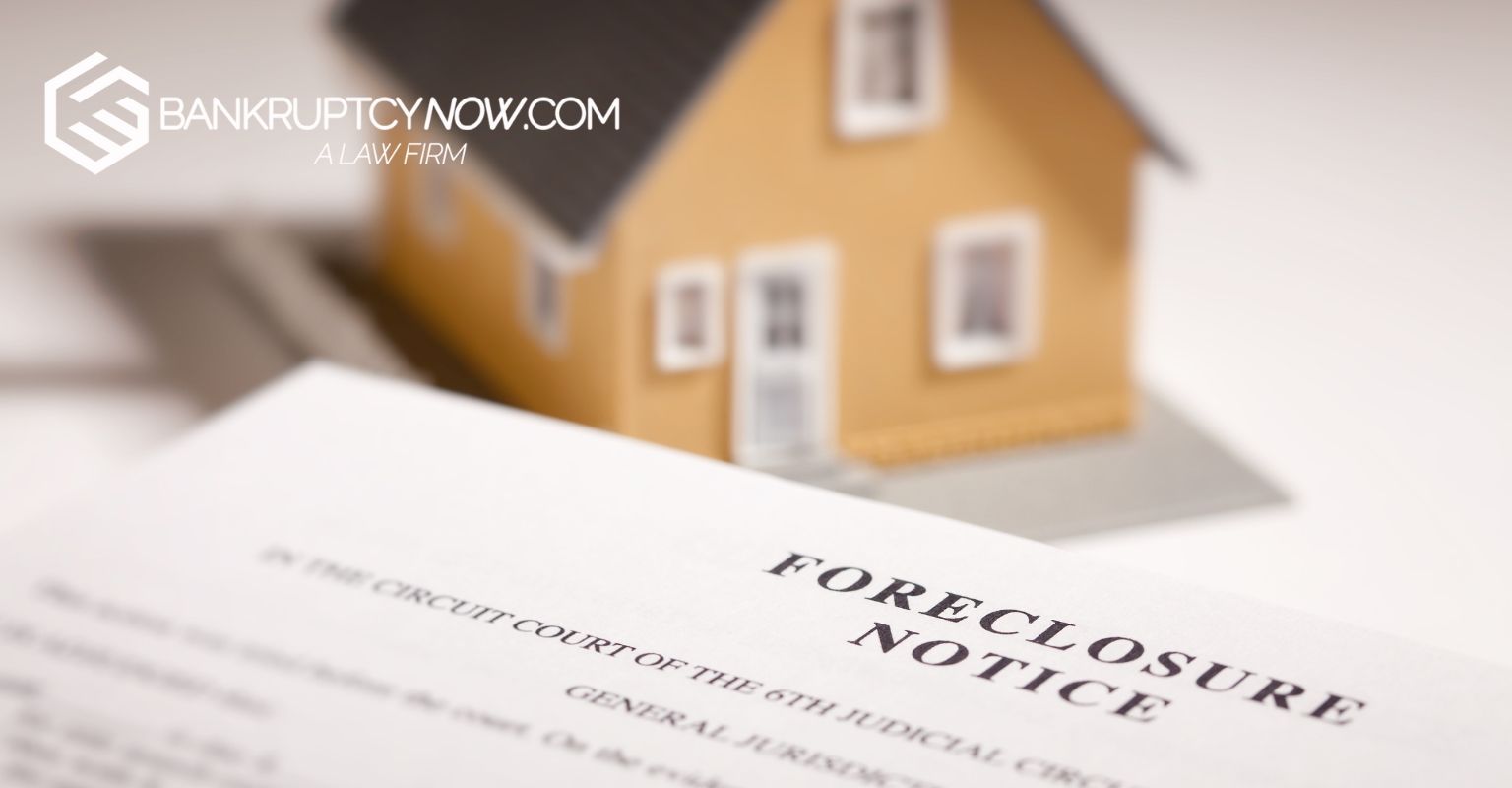
For homeowners, the threat of foreclosure can be overwhelming. Bankruptcy can provide a lifeline by halting the foreclosure process
and giving you the opportunity to restructure your mortgage payments. Chapter 13 bankruptcy, in particular, can help you catch up on missed payments through a repayment plan, allowing you to keep your home.
Bankruptcy Simplified: A Closer Look at Chapter 7 and Chapter 13
-
Chapter 7 bankruptcy
, also known as liquidation bankruptcy, allows you to discharge most or all of your unsecured debt, providing immediate financial relief. This type of bankruptcy is generally best for those with limited income and assets.
-
Chapter 13 bankruptcy
, often referred to as reorganization bankruptcy, enables you to restructure your debt into a manageable repayment plan lasting three to five years. This option is suitable for individuals with a steady income and valuable assets they want to protect.
Seek Professional Help from a Bankruptcy Attorney
Navigating the complex world of bankruptcy can be challenging, but you don’t have to do it alone. A skilled bankruptcy attorney like Michael Brooks can provide invaluable guidance and support throughout the process. From helping you understand your options to ensuring your rights are protected, partnering with an experienced attorney can make all the difference in achieving a successful financial outcome.
If you’re a Miami resident struggling with credit card debt, wage garnishments, or facing foreclosure, don’t hesitate to reach out to Michael Brooks
for assistance. Take control of your financial future and explore your bankruptcy options today.
Frequently Asked Questions
1. How does bankruptcy help with credit card debt?
Bankruptcy can help with credit card debt by discharging most or all of your unsecured debt. In a Chapter 7 bankruptcy, your credit card debt may be eliminated, while Chapter 13 bankruptcy allows you to restructure your debts into a manageable repayment plan.
2. Can bankruptcy stop wage garnishments?
Yes, filing for bankruptcy can stop wage garnishments. Once you file for bankruptcy, an automatic stay goes into effect, which stops most collection actions, including wage garnishments.
3. How can bankruptcy help prevent foreclosure?
Bankruptcy can help prevent foreclosure by halting the foreclosure process and giving you the opportunity to restructure your mortgage payments. Chapter 13 bankruptcy allows you to catch up on missed payments through a repayment plan, enabling you to keep your home.
4. What is the difference between Chapter 7 and Chapter 13 bankruptcy?
Chapter 7 bankruptcy, also known as liquidation bankruptcy, discharges most or all of your unsecured debt, providing immediate financial relief. Chapter 13 bankruptcy, often referred to as reorganization bankruptcy, enables you to restructure your debt into a manageable repayment plan lasting three to five years.
5. How long does the bankruptcy process take?
The duration of the bankruptcy process depends on the type of bankruptcy you file. Chapter 7 bankruptcy typically takes three to six months, while Chapter 13 bankruptcy lasts three to five years due to the repayment plan.
6. Can I keep my property and assets in bankruptcy?
In Chapter 7 bankruptcy, you may have to liquidate some of your assets to repay your creditors. However, certain assets are exempt from liquidation. In Chapter 13 bankruptcy, you can generally keep your property and assets, as long as you continue making payments under your repayment plan.
7. How will bankruptcy affect my credit?
Bankruptcy will negatively impact your credit score. A Chapter 7 bankruptcy remains on your credit report for ten years, while a Chapter 13 bankruptcy stays on your report for seven years. However, with responsible financial behavior, you can gradually rebuild your credit score over time.
8. Do I need a bankruptcy attorney to file for bankruptcy?
While it’s possible to file for bankruptcy on your own, hiring an experienced bankruptcy attorney is highly recommended. An attorney can help you navigate the complex bankruptcy process, ensure your rights are protected, and provide valuable guidance to achieve a successful financial outcome.